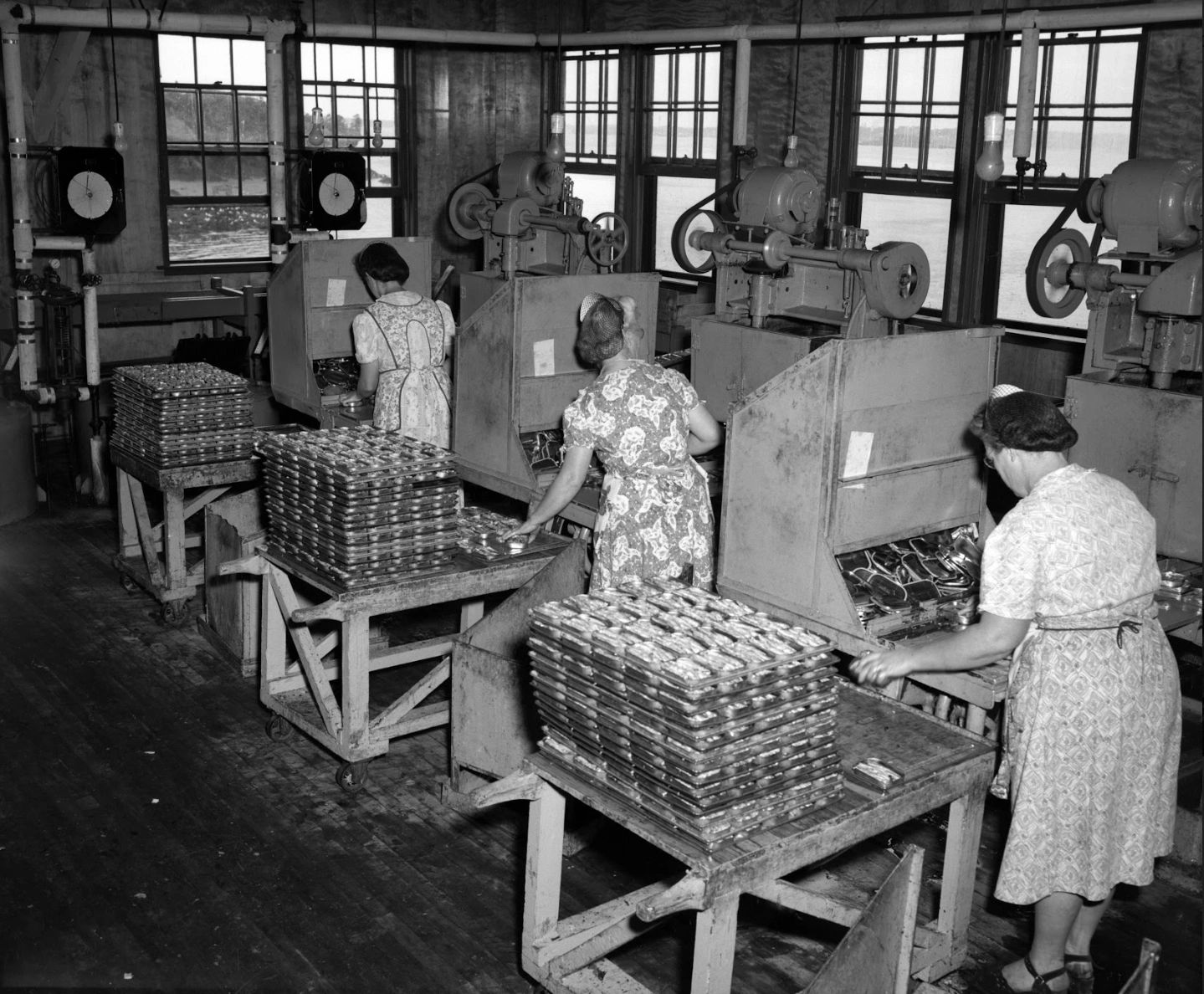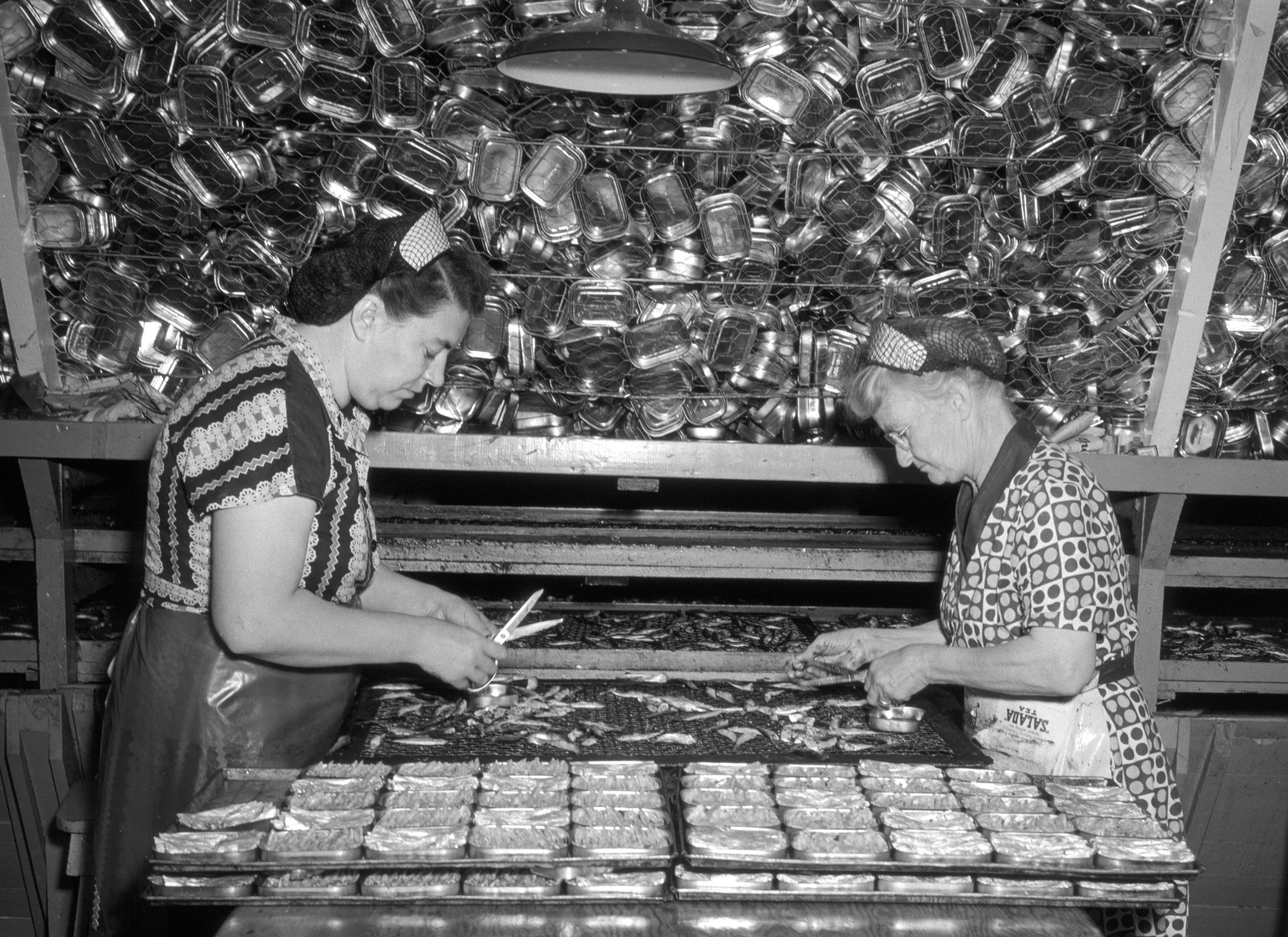
During the Great Depression, a much-maligned and controversial little fish, along with some forward-thinking economics, once placed a little New Brunswick town at the centre of a fishy empire.
The credit (or, depending on your taste, the blame) for sardines might go to Napoleon. Faced with losing more soldiers to malnutrition and disease than to his enemies, he offered a prize for finding and packaging a nourishing food that could be preserved and transported with his armies.
A group from the Mediterranean island of Sardinia won with their product — a little herring packed in oil and canned. They named it after their island: “sardines.”

In 1889, Lewis and Patrick Connors, owners of the little Connors Brothers fish packing plant in the tiny hamlet of Blacks Harbour, New Brunswick, decided to try packing sardines. They were an immediate hit: cheap, tasty, safe and healthy, they flew off the shelves.
Fast forward three decades to the 1920s. The Connors Brothers’ factory was now packing more than a million cans of sardines every year.
The now-aged brothers now faced strange modern problems. They weren’t allowed to call their products “sardines” anymore. The British House of Lords declared that only canned herring from the Mediterranean were allowed to be called “sardines.” Across the Commonwealth, Canadian sardines had to use the less cool label of “canned herrings.” The same product under this new label no longer flew off the shelves.
The Connors brothers approached a bright young Saint John banker-turned-businessman Neil McLean and asked him to buy them out.
McLean visited Blacks Harbour and found a mess. Most homes were tar paper shacks. The cannery was only open in Summer. Surrounding it was a vast camp where summer workers pitched the tents they lived in.
Neil saw potential. He convinced his brother Allan, who owned a successful construction company, to move to Blacks Harbour with him. Together they bought the Connors Brothers fish plant and ordered production to be doubled. Then they doubled it again.
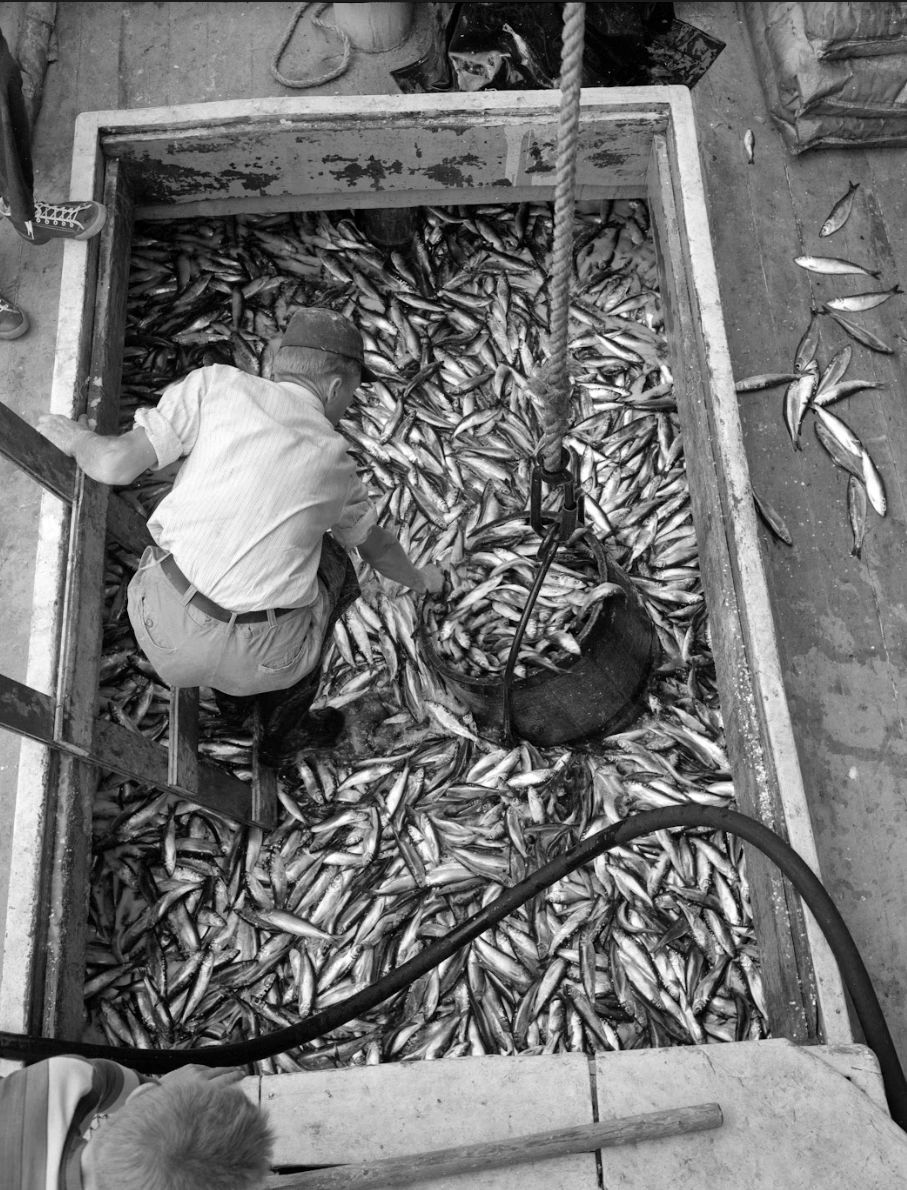
This triggered an influx of newcomers, which necessitated building new homes. The McLeans figured that if they were building a town it may as well look nice. Ian Sclanders later wrote in a 1951 article in Maclean’s Magazine that this was controversial: “The first rows of modern bungalows went up the sardine coast grumbled and snorted about Little Russia, dictators and regimentation. But those who tried living in Black’s Harbor liked it.”
Obviously, it wasn’t very efficient to only run a factory one season of the year, so the McLeans hired Saint John chemist Dr. J. P. Berry to develop new processes to can clams. Aware that finished products could be sold more profitably, Berry also invented formulas to can clam chowder, clam bouillon, chicken haddies, finnan baddies and fish cakes.
Experiencing remarkable success, by the end of the 1920s the brothers vertically integrated their company by buying a can-making factory.
Just when everything was going well in Blacks Harbour, the Great Depression hit.
The McLeans were in a better position than most, though. With large cash reserves in hand, they declared to their worried employees “If anybody goes broke then we will all go broke together.” They continued production at the Connors Brothers factory until their warehouses were full.
In a 1934 speech in Saint John, Neil McLean urged government deficit spending to boost the economy, railing that cuts to balance the budget was “stopping the pain by killing the boy.”
After a Minister publicly rebuked him, McLean was quoted by the Fredericton Daily Mail newspaper trying to explain monetary theory using smaller words: “A man or woman labors and receives money. He or she then spends money at a store … goods and not money represents income.” Exasperated, he added, “Finance ought to take its rightful place in New Brunswick’s school textbooks!”
The McLean brothers put their money where their economic theories were, burning through their own cash reserves by embarking on forward-thinking make-work projects in Blacks Harbour.
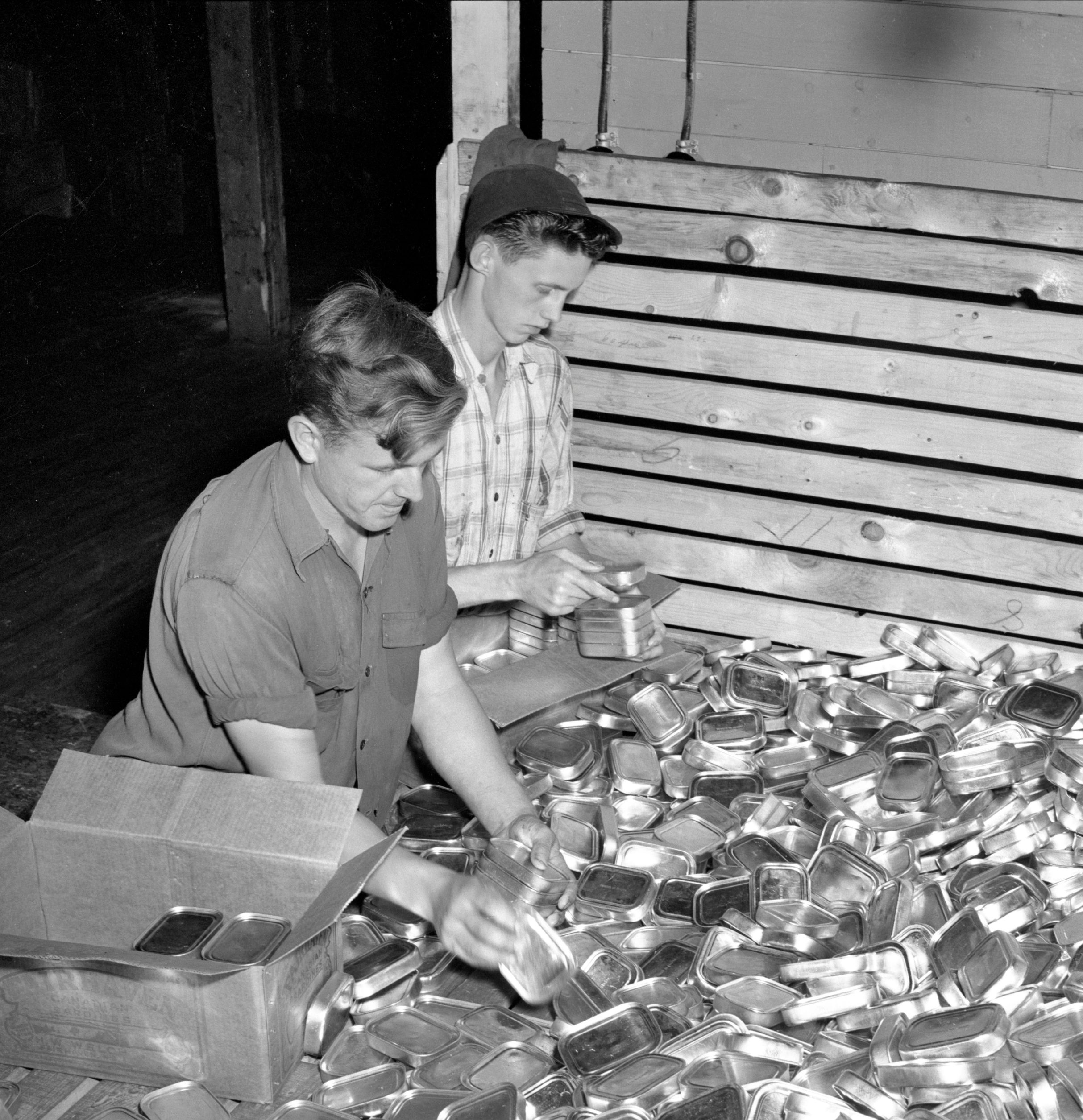
New housing for workers was constructed. They established their own shipyard and began building boats. Their cannery was expanded in every direction on a mind-boggle scale. By 1936 the Connors Brothers factory, which sat empty, held the title of “The Largest Sardine Cannery in the British Empire.”
That year, Neil McLean read international economic reports and came to a conclusion that most would have thought was insane: the Depression would be soon over. He ordered production in the Connors Brothers factory to resume.
When the “canned herrings” began being packed in what was now the largest cannery in the empire, a new label was slapped on them. It read “sardines.”
The McLean brothers had used the half-decade of downtime to call in favours and put pressure on Canadian diplomats to fight for their right to call their products “sardines” internationally. After all, scientists agreed that the Clupea Pi/chardus fish in the Mediterranean that was the famous sardine was nothing but a fancy herring … a red herring if you will.
The McLeans and the Canadian diplomats never got anywhere with the British. In a remarkable reversal, the McLeans declared they would never sell in Britain unless they could use the name sardines, establishing a curious unilateral trade embargo.
They did, however, successfully convince every other country in the Commonwealth that Bay of Fundy herrings were sardines.
The rebranded little fish sold well in the rest of the Commonwealth. This international export business under the name “sardines” fueled the abrupt revival of fortunes in Blacks Harbour, even before the Great Depression ended.
In 1967, Connors Brothers Ltd. was bought up by the Weston family (owners of Atlantic Superstore). The factory still exists in Blacks Harbour, which is today home to 900 people. After a mind-boggling number of buyouts, mergers and acquisitions, the factory is currently a part of Clover Foods and is owned by an enormous British private equity fund. Earlier this month, it was announced that the Connors Brothers factory would be laying off 20% of its 450 workers.