Terror gripped the gritty streets of Saint John in 1889. The city had its very own serial killer — but this murderer didn’t use knives or guns. Their weapon of choice was far more sinister: dainty white boxes of candies, each laced with deadly strychnine poison.

Saint John's busy docks were home to a never-ending parade of shady characters including transient sailors drifting in and out of town, and local drunks with a reputation for violence.
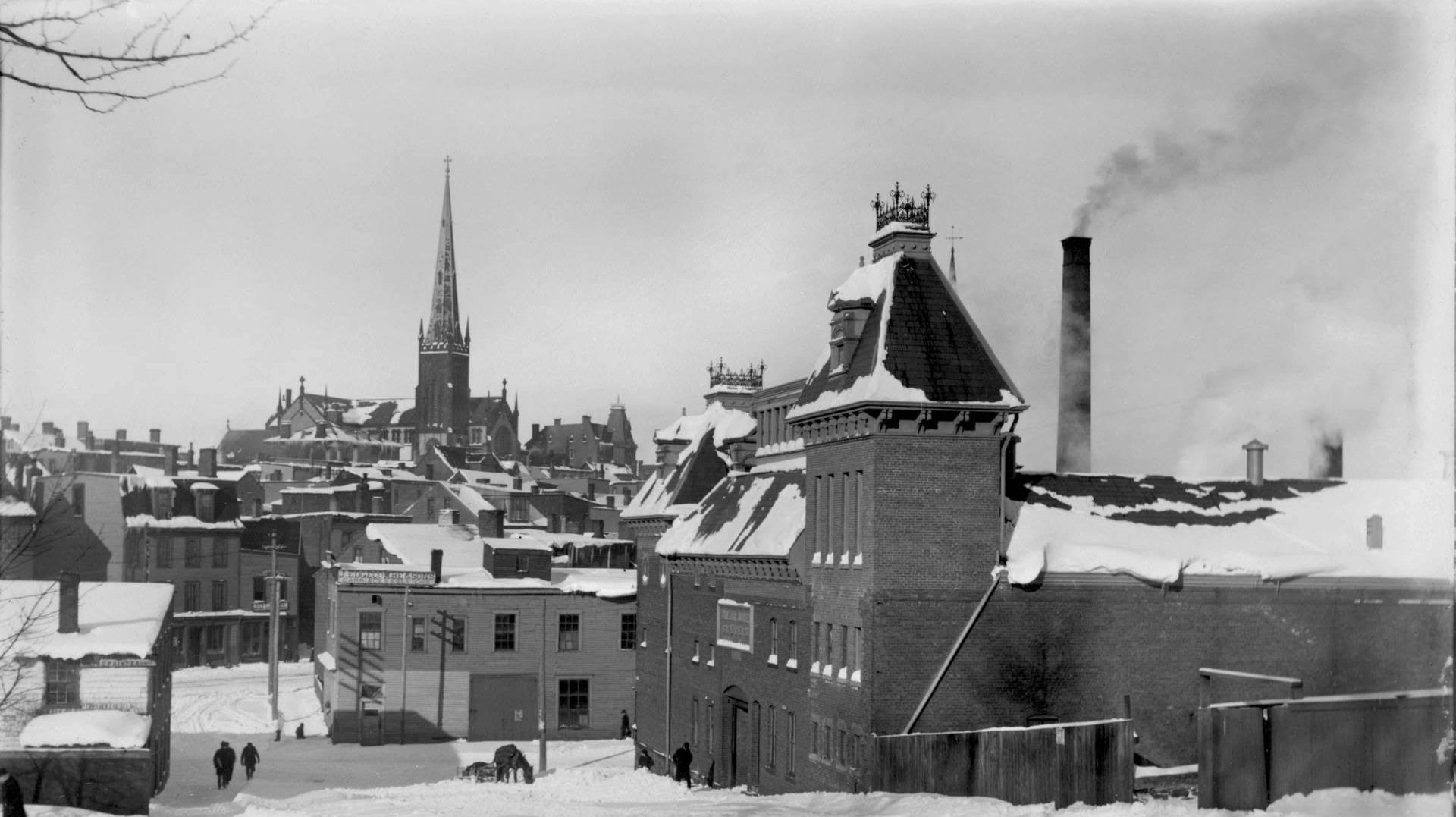
The seaside port city on the Bay of Fundy was, above all, a city of disparities. As New Brunswick’s largest city, it was home to the province’s wealthy elites, who lived in enormous mansions. It was also home to teeming slums rife with oppressive crushing poverty.
That Spring, 35-year-old pharmacist and department store owner George A. Barker decided to run for Mayor of Saint John.
This came as a surprise to most. He had never been considered to be especially political. He was, however, annoyed that the incumbent Mayor was running for an unprecedented third term.
Barker ran for Mayor on a platform calling for new blood in City Hall and handily won the election.
On June 19th, he was sworn in at a large and well-attended inauguration ceremony. Soon after he began to feel ill. Over the next few days, he continued to get sicker and sicker. Doctors were perplexed with what was wrong with him.
On July 6th, only three weeks after he was sworn in, Mayor Barker died.
The cause of death was declared to have been worries over the election. An autopsy was not performed.
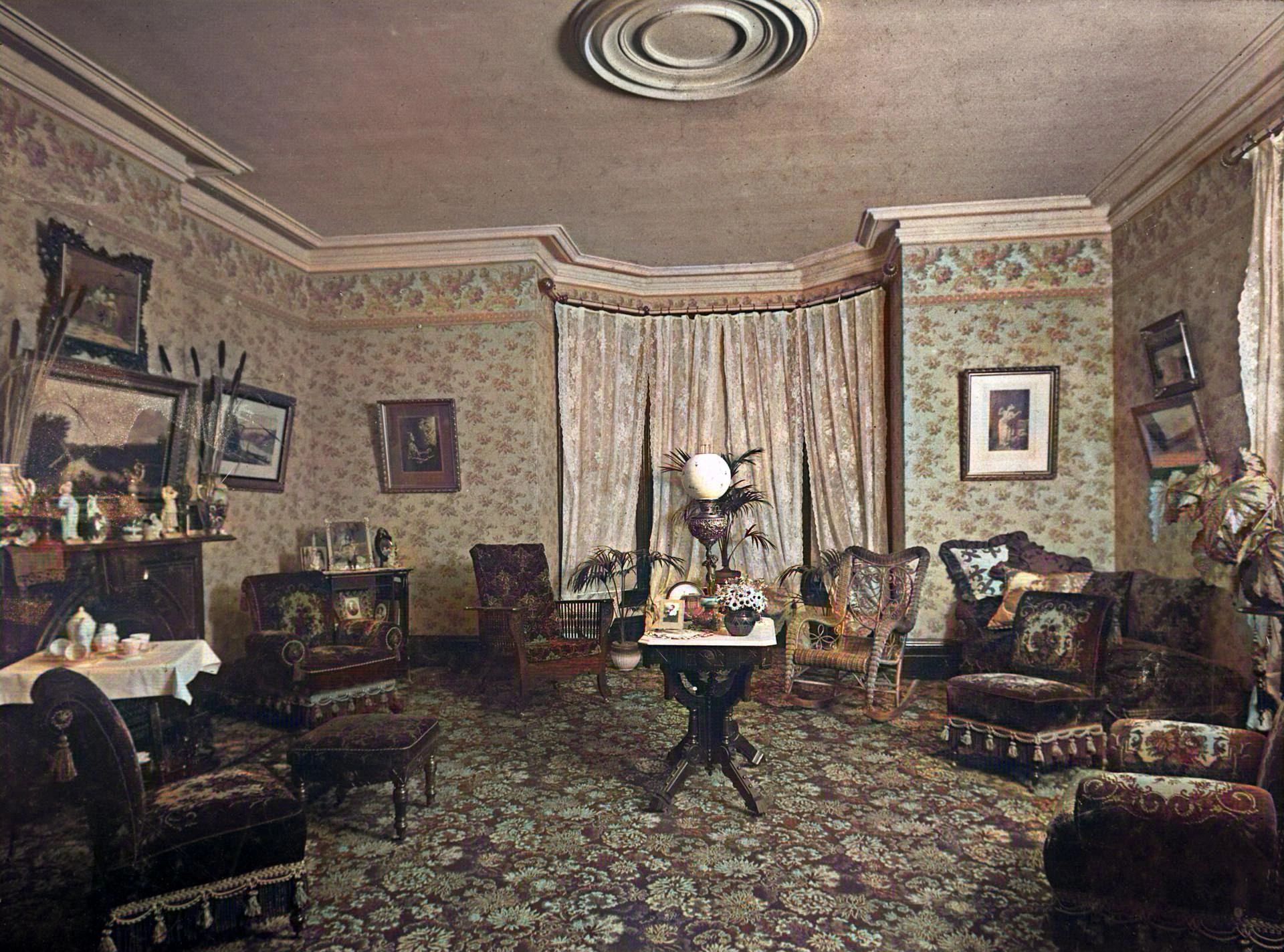
Four months later, on October 2nd, the postman delivered a small white box, three or four inches square, to Rev. Macrae’s house in Saint John. The servant took the box inside and gave it to the Reverend’s wife. She opened it to find a set of dainty little candies.
Shortly after, Dr. James Christie heard furious pounding on the door of his home. It was the servant.
“I was called on to attend to Mrs. Macrae at 10am or a couple minutes before," recalled Dr. Christie at the later trial. "I found her in the kitchen sitting in a chair near the end of the table. She was exceedingly pale, bathed in perspiration and wore an anxious expression. She said:
“Oh, Doctor! What can this mean?? I can’t keep still.”
"Her arms then contracted and her body spasmed briefly. She said to the servant:"
“Oh! Just get me a pillow and let me lie on the floor.”
Dr. Christie hesitated on the stand, and continued: "She then had another spasm…”

Later that day, when cornered by a reporter from the Daily Telegraph newspaper asking about Mrs. Mcrae's death, Dr. Christie revealed: “She could only have had … strychnine poisoning.”
Already suspecting foul play even before his patient died, the doctor immediately left the house. He scurried off to confer with another medical colleague, Dr. MacLaren.
Coincidentally, the deceased woman’s son was in Dr. MacLaren’s office with the box of candy when he got there. When his mother fell ill he immediately ran off to fetch a doctor but had been much slower finding one than her servant.
The son only learned then that his mother was dead.
The two doctors and the son rushed down Germain Street to the home of W. F. Best, a chemist.
“The doctor brought me a small white pasteboard box, three inches square and one inch deep," explained W. F. Best at the subsequent trial. "I made an analysis of the crystals found inside of the candies. They were strychnine."
This was no accident, claimed the chemist, explaining how "perforations were made using the paper covering the caramel. There was no strychnine in the bottom of the box, meaning either the candy or the crystals were dampened sufficiently to ensure adherence. Each candy contained at least half a grain of American crystal strychnine.”
The deceased, Catherine McCrae, was a Newfoundlander. She had only relatively recently moved to the Maritimes.
Back in Saint John, the postman was continuing on his mail route that morning, oblivious to the poisoning that had just happened from a delivery he had just made.
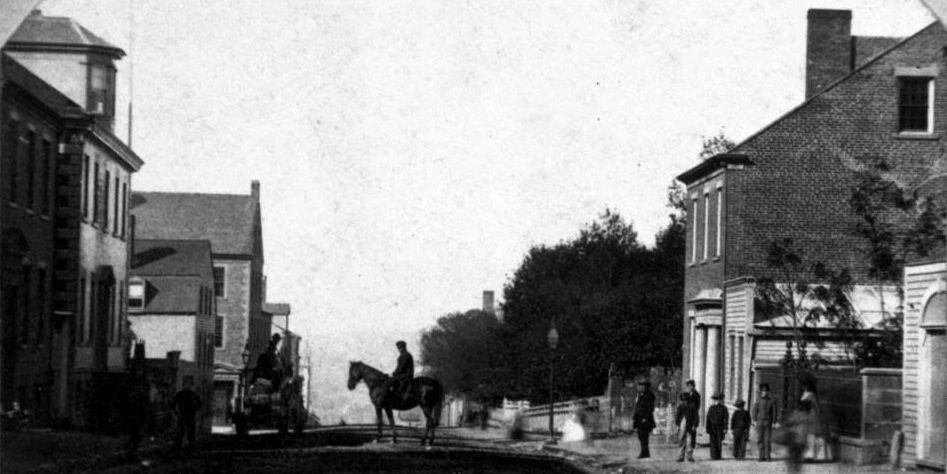
He was only a couple blocks away from the McCrae house when he arrived at the home of Rev. John de Syres, on Union Street. The postman saw the Reverend on his step and handed him his mail — a little white box.
The Daily Telegraph newspaper reported that the Reverend was somewhat surprised at receiving such a thing in the mail.
The little white box didn’t look remotely suspicious to him. It was a high-quality box manufactured by a well-known high-end candy manufacturer from Scotland.
The somewhat perplexed Reverend opened the little white box’s cover and found inside a mixed assortment of candies.
He picked up a caramel from the mysterious white box, and bit into it.
He immediately detected a strange bitter taste and spat the candy out.
He later told a newspaper reporter that he thought the strange-tasting candy was the work of some practical joker — or perhaps it had been sent by a parishioner who didn’t care for his latest sermon. He figured someone had added a bitter aloe to the candy as a rude joke.
Annoyed, Rev. John de Syres took the little white box across the street to Dr. Harding’s house to complain to his neighbour about the mean prank someone had just played on him.
He found two other doctors conferring animatedly with his neighbour. They immediately identified the little white box he had, and the meticulously machine-like handwritten address on it, as being exactly the same as the one who had just killed Catherine McCrae moments before.
The horror began to dawn on the doctors that the murder by poisoning of Catherine McCrae wasn’t an isolated incident. There was a conspiracy afoot to murder clergymen in Saint John…
Meanwhile, only a few blocks away, on Exmouth Street, Reverend Deinstadt’s wife Catherine and her young granddaughter were checking their freshly delivered mail.
They found it contained a mysterious small white box.
Catherine Deinstadt opened the box. She later told a reporter from the Telegraph that inside she discovered “a tempting display of confectionery… caramels, chocolate creams, all the choice candy. Why, I said, someone has been married! The child’s attention was at once attracted by the sweets and, as granddaughters will do, she immediately demanded a share.”
Catherine Deinstadt handed the child a candy but, she told the reporter, “I had an undefined feeling that something was wrong.”
She snatched back the candy from her granddaughter, put it back in the box, snapped closed the lid, and set it down on a high shelf.
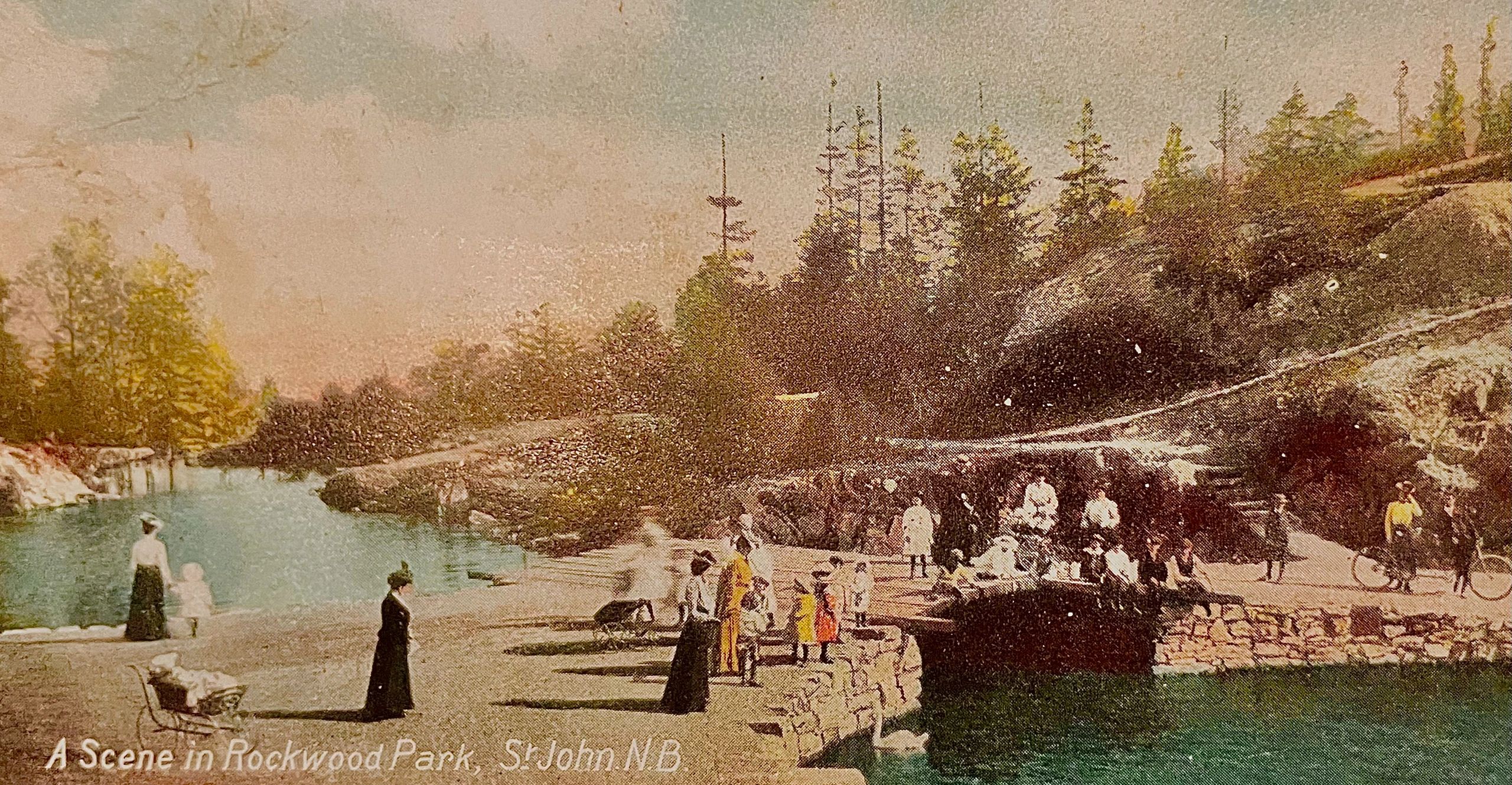
Meanwhile, in a different part of Saint John, William Thompson, the Principal of Leinster Street School, had shown up early for work that morning before the children began to arrive for class.
He found twelve pieces of candy littered around the playground. Though he thought the candy looked like it was still good, he preferred if his students didn’t eat food they found on the ground.
As he searched the school grounds for candy, he noticed that even more pieces of candy had been placed in locations where the children would surely find it — on windowsills outside of the
school, and by its front doors.
He picked up the candy, took it inside the school and threw it away.
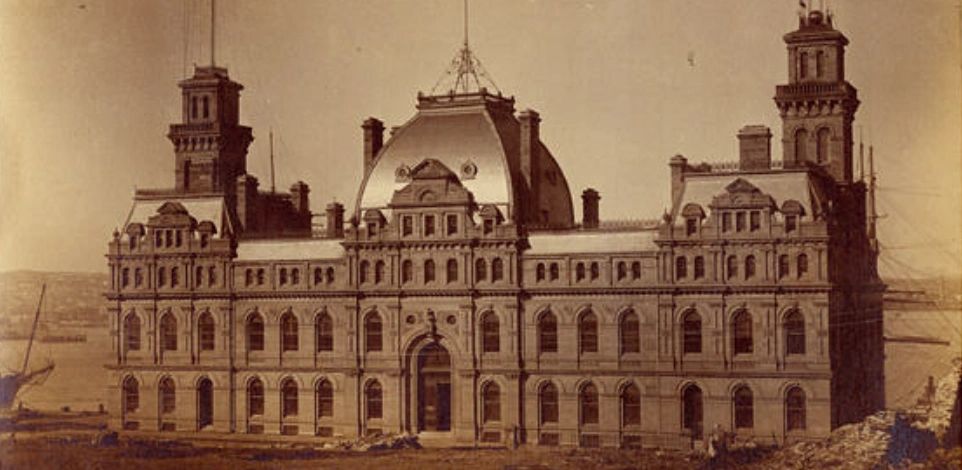
Throughout the day, word about the candy poisonings spread quickly. The citizens of Saint John began to panic.
“Rumours concerning the case were thicker than the flies in midsummer and grew and spread more quickly than a western town does on the map,” wrote the Daily Telegraph.
“Saint Johners stayed up late that night talking to strangers in the street about the news that someone was targeting the religious leaders of their city,” continued the newspaper. “A dark plot has been revealed.”
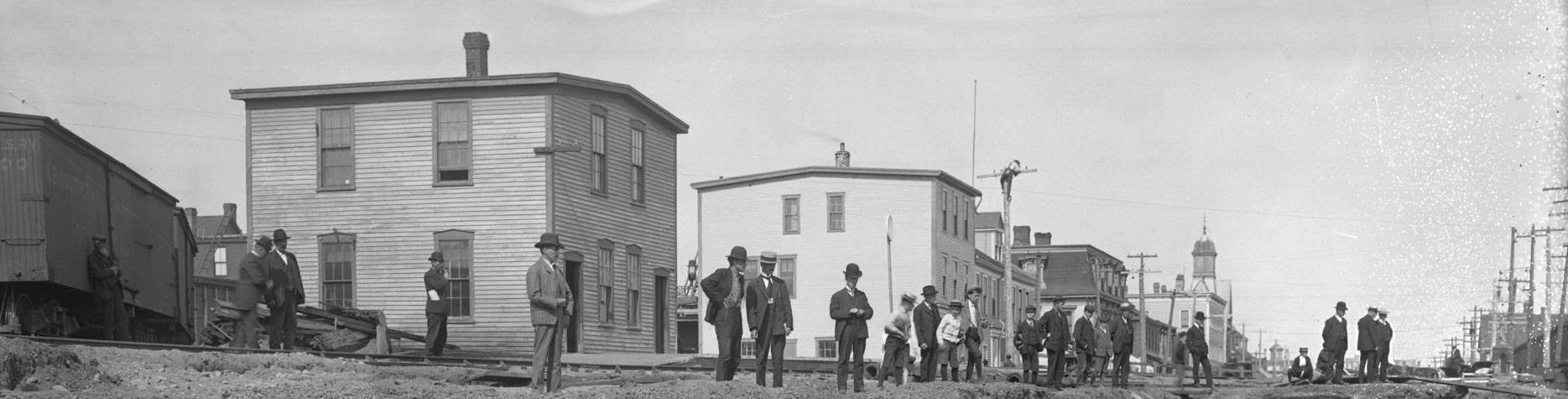
As the press grasped around for something similar to compare the poisonings to, it dawned on them that the case closely resembled another series of poisonings that had happened nearly a year earlier.
On October 4th, 1888, a series of unsolved poisonings rocked Ontario and made headlines all over the country. There, candies had also been mailed to the houses of religious leaders. They had arrived in little white boxes.
The Ontario poisonings were investigated by none other than the famous detective John Wilson Murray. While his name might draw blanks from modern Canadians today, they almost certainly know a fictional character based on him. Detective William Murdoch, the lead character of the CBC’s international smash hit TV show Murdoch Mysteries, is based on John Wilson Murray.
In 1904, John Wilson Murray published a highly dramatised yet entertainingly written retrospective of his detective career called The Memoirs of a Great Detective.
That book includes a chapter detailing his investigation into the Ontario candy poisonings, which he called: ‘The Case of the Hollowed Chocolate.’
He investigated several little white boxes of candies which had been delivered to prominent Reverends, business leaders, and hotel owners in Galt, Ontario. They didn’t kill any of their targets but did cause the death of 3-year-old Meta D. Cherry.
Detective Murray noted how the poison had been put in: “I found on the bottom of the chocolate a spot where a cavity had been bored, and this had been filled with a whitish substance, unlike the cream candy of the chocolate, and the hole then had been sealed deftly by glazing over the bottom with more chocolate.”
Even Detective John Wilson Murray didn’t make any headway in the case though, writing: “It is one of the most aggravating cases of my entire experience … I found nothing in the long-gone years to throw light on the crime.”
The killer had disappeared from Ontario without a trace.
But now, one year later, The Candy Killer seemed to have returned and was poisoning again, this time in Saint John…

On a Saturday afternoon at 6:30pm, four days after the boxes of poisoned candy appeared in Saint John, two police officers walked into Barker’s Department Store.
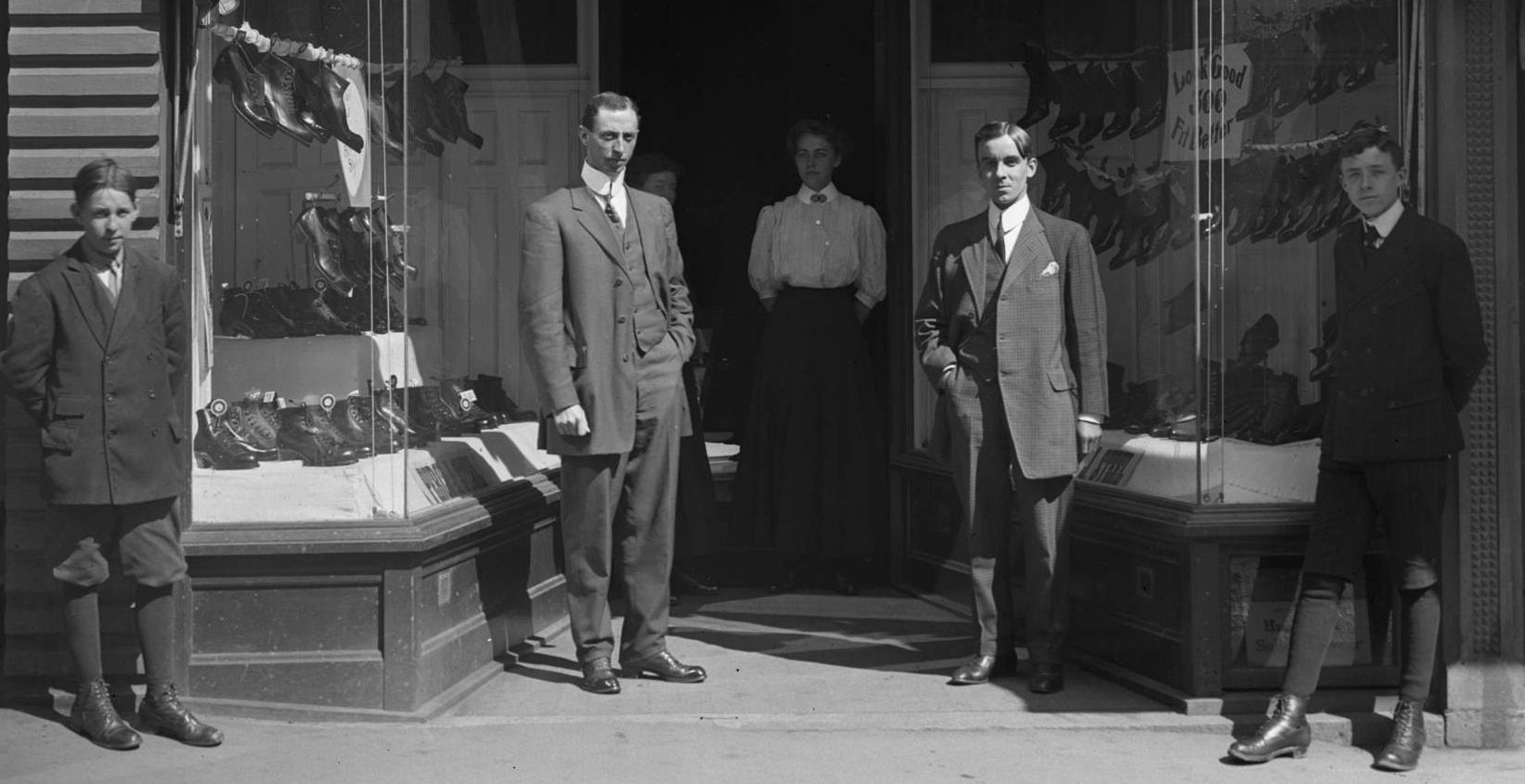
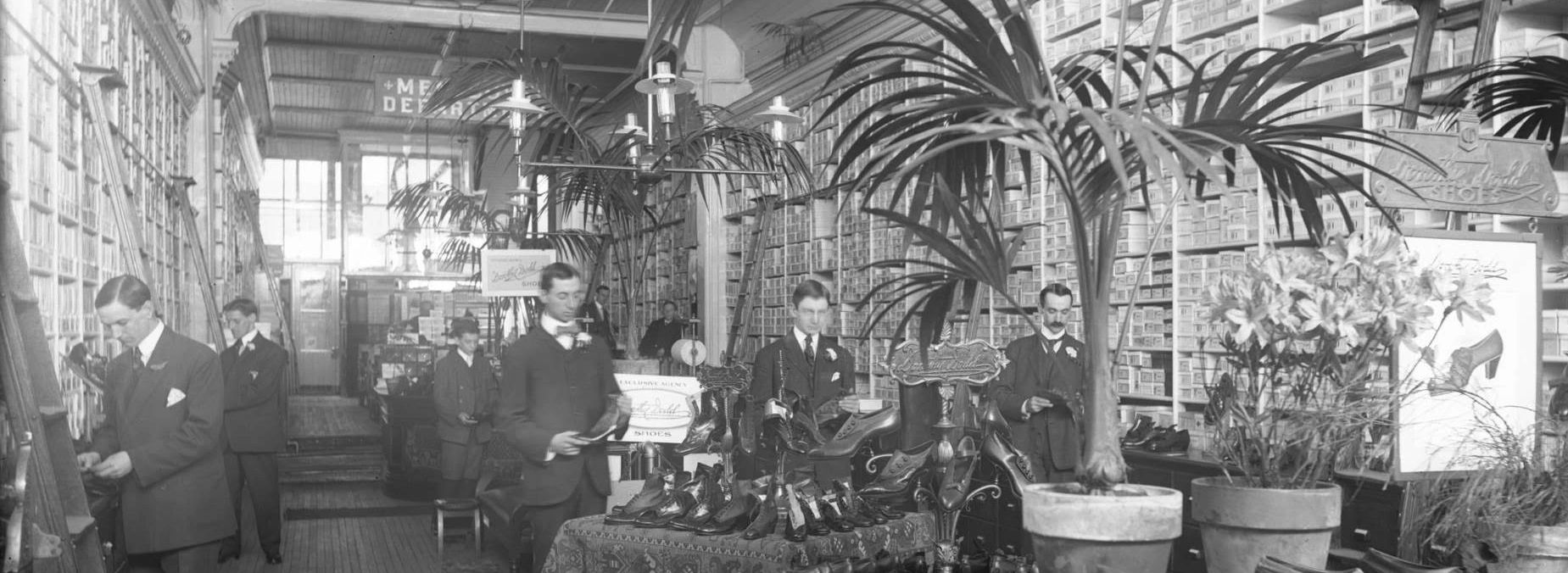
It was one of the biggest and most prestigious shops in all of Saint John, right on the main boulevard of King Street. For wealthy, more upscale Saint Johners, Barker's was the height of shopping, offering groceries to high-end clothes. It boasted a butcher shop, a stationary shop, a jewellery counter, and even a pharmacy.
It had, until recently, been owned by George A. Barker, who had recently been elected mayor. He had gotten sick at his inauguration and died soon after, under mysterious circumstances.
Three hours earlier, the Province’s Solicitor General had contacted the police station.
Solicitor General Pugsley said that he had received a tip from a mysterious woman. On that basis, he ordered the police to arrest a quiet and shy 24-year-old stenographer who worked in the offices at Barker’s Department Store named William McDonald.
Inside the Department Store, the two detectives approached the young man.
He looked at them, seemingly unsurprised at the appearance of police in his workplace. Without even so much as a hello, he turned to one officer in particular, named Detective Ring, and asked: “Are you here to take me to the Lunatic Asylum?”
When the perplexed detective asked him whyever he would assume he had come to take him to the Lunatic Asylum, William McDonald quietly said:
“Why Detective Ring, because you took me there last time.”
The detective studied the young man’s face. Slowly it downed on him where he had seen him before.
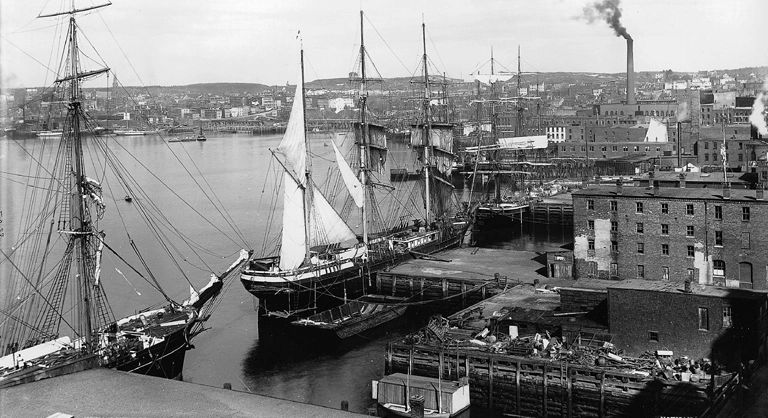
The previous Spring, Detective Ring had been standing on a pier along the city’s waterfront at the bottom of King Street. He was off duty and casually chatting with a friend about his summer plans.
Out of the corner of his eye, he spotted a young man purposefully walk down the slip, towards the end of the dock. Without even so much as flinching, the young man stepped off the pier and into the waters of the harbour.
Detective Ring turned to see the young man flailing around in the water, shouting that he couldn’t swim.
He jumped into the water to save the young man.
Once dragged back onto shore, he remembered that the young man had looked at him and declared: “I am the Prophet Elijah, and God had commanded me to make myself known to you in this way.”
Detective Ring was perplexed by this obviously troubled soaking-wet young man he’d dragged out of the harbour. He had brought him to the Saint John Lunatic Asylum. His stay there was intended to be for his own protection and for him to get better.
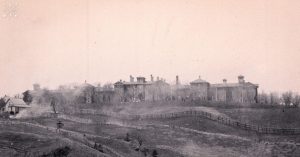
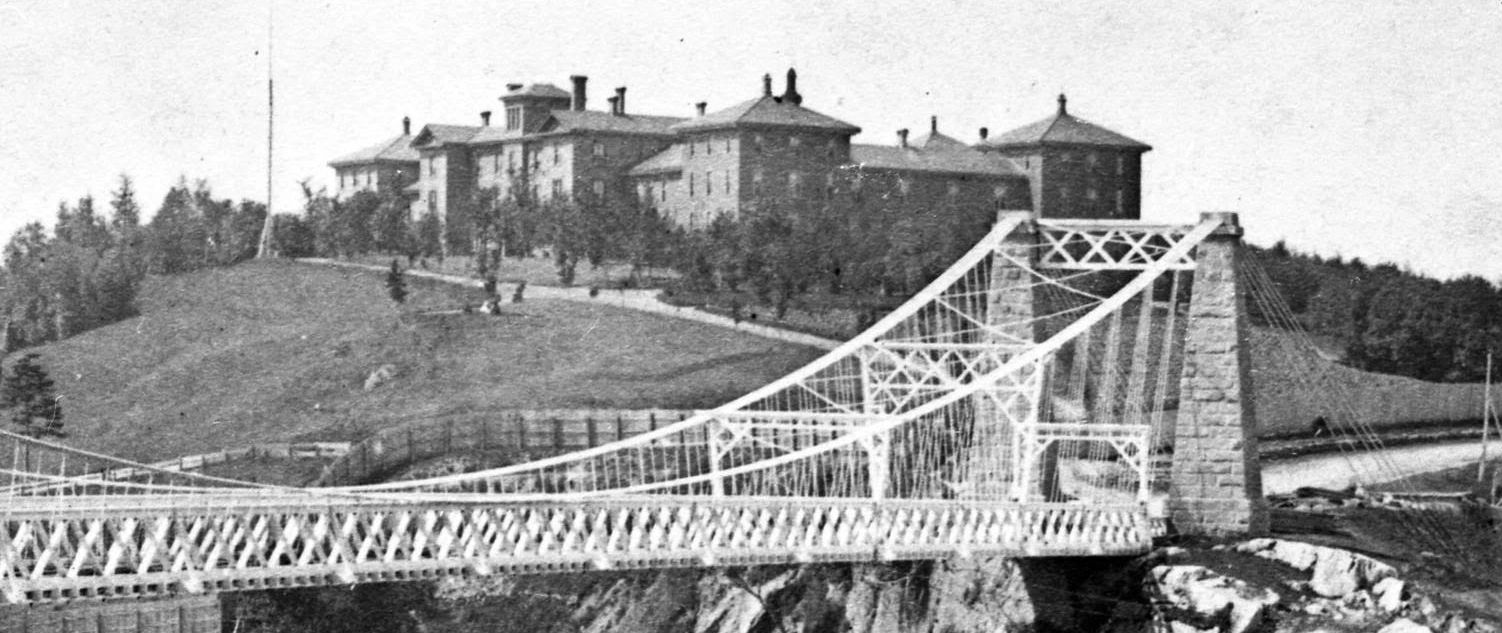
William McDonald had spent three months inside the massive institution, which ominously overlooked the city from atop a high peak.
The doctors had then pronounced him cured of whatever strange malady he had struggled with, and he was discharged. After being released he had gotten a job at Barker’s Department Store.
Now standing with the young man he’d dragged out of the water months before in the pharmacy of Barker’s Department Store, Detective Ring didn’t want to cause a scene in front of its upscale clientele. He quietly whispered to William McDonald that he was under arrest on suspicion of having sent the poisoned candy.
William McDonald was shocked and cried out: “Good gracious! They don’t blame me for that!”
Only half an hour after arresting William McDonald, the Saint John police called a press conference. There the police chief announced that William McDonald had been arrested for the series of boxes of poisoned candy which had been sent to several people in the city four days earlier.
The police chief then declared that he was ”pleased to announce that William McDonald was insane.”
The assembled audience erupted in cheering.
The Daily Telegraph newspaper explained this curious reaction: “We all breathed a sigh of relief when it was announced that the young man had been insane. Everyone was pleased to think that St. John did not contain a man in his proper senses who could be guilty of such a terrible crime.”
At the press conference, police specifically mentioned that William McDonald’s arrest had been ordered by Solicitor General Pugsley after a mysterious woman informant had come forward with information.
The press seized on this and reporters demanded more information on the mysterious woman. The police quickly distanced themselves from both the informant and the Solicitor General, explaining that they had little to do with the reasons for the arrest.
Newspapers began to speculate wildly on who this secret informant could be, what her relationship with the accused was, and why she had come forward.
But the fact was that no one knew who she was.
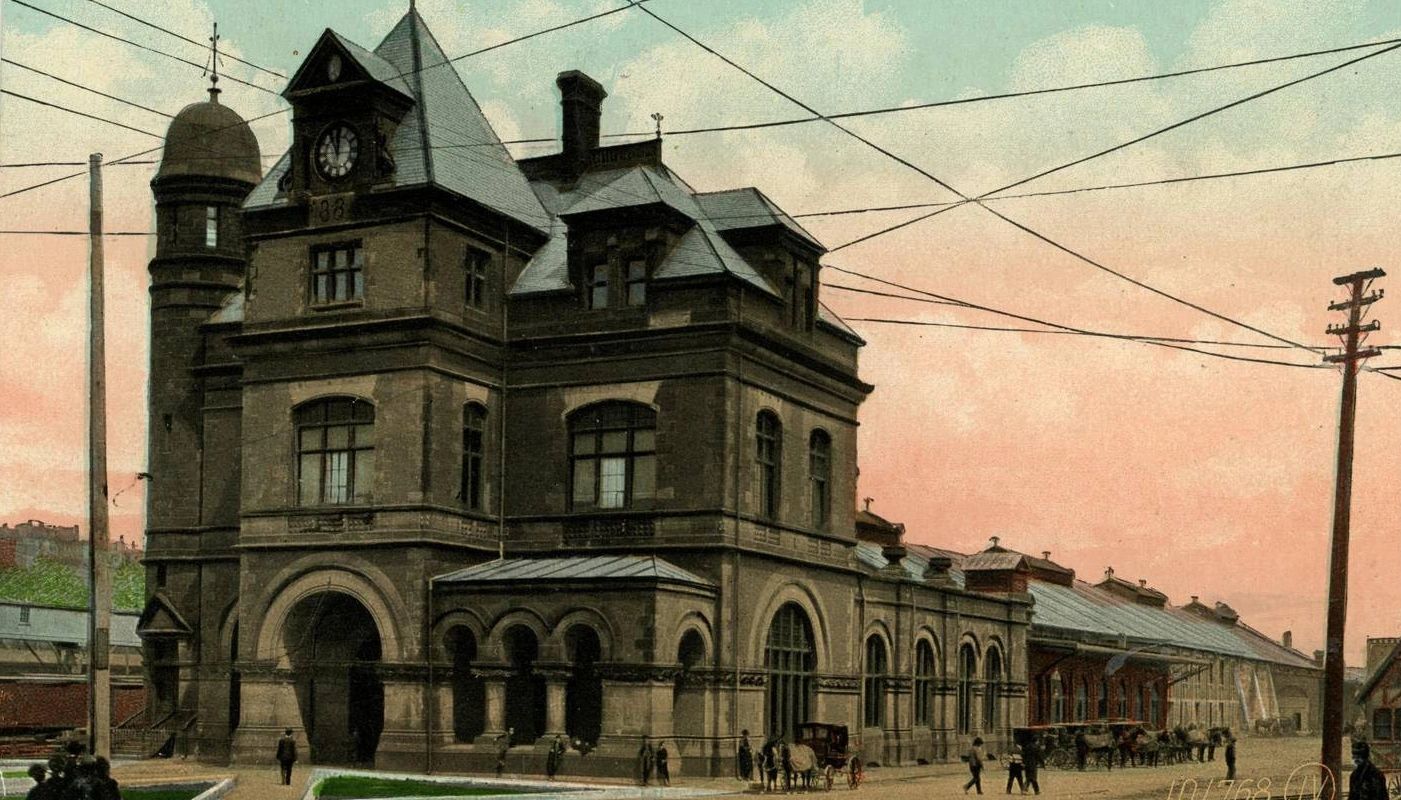
The Daily Times newspaper published what little they knew of William McDonald in the next day’s newspaper:
“McDonald is a young man, well educated, son of Jacob McDonald, who died recently in Montreal, and brother to [Fanny] Barker, wife of the late Mayor George Barker. McDonald worked in Barker’s Department Store for several years, then he went to Montreal. There he was for a time private secretary to Mr. Shaugnessy of CPR, getting a large salary.”
William McDonald was single and didn’t appear to have ever been in a romantic relationship.
He was quiet and kept to himself.
He didn’t seem to have any friends, or interests, or hobbies.
When the press made inquiries to people who ought to have known him, including his landlady and his co-workers at Barker’s Department Store, none of them even remembered who he was.
The former employer that the newspaper referred to was Baron Thomas Shaugnessy, the General Manager of the Canadian Pacific Railway.
At the time, the Canadian Pacific Railway was failing rather badly and was at risk of bankruptcy. The company had hired the self-made Shaugnessy to save them from almost certain bankruptcy. His tactics to keep the company alive were cut-throat — Shaughnessy juggled shifted money from account to account to manage to pay some creditors and simply refused to pay other contractors and even employees in a desperate effort to keep the railway afloat.
William McDonald had been Shaughnessy’s private secretary during this time. It was a demanding job working for an extremely demanding man. Though that job was headquartered in Montreal, as the company president’s private secretary McDonald had travelled with his boss all over much of Canada, maintaining a gruelling schedule.
Perhaps this is why while working for Shaunassy, in the words of The Daily Times:
“McDonald’s health failed and he became slightly deranged. A little less than a year ago he returned to Saint John and stayed with his sister, [Fanny] Barker, but his mind trouble only increased. His madness seems to have taken the form of religious mania, first in favour of religion then in favour of atheism. He walked over the end of a wharf under the apparent impression that he could walk on water, and he was sent to the Asylum.”
Newspaper reports were perhaps surprisingly reluctant to jump to conclusions on William McDonald’s guilt. Much like how the police tried to distance themselves from the mysterious tipster during the press conference, the press was suspicious that this was an acceptable grounds for arresting someone.
They were deeply concerned to learn that some mysterious anonymous tip from a strange and enigmatic woman could lead to someone’s arrest. They demanded to know what evidence the Solicitor General and the police had to back up William McDonald’s alleged guilt.
The police only fed the media’s increasing agitation. They stated they were unaware of any evidence and had bluntly stated that they didn’t know why they’d been ordered to arrest William McDonald.
The police chief told the media: “In fact, I have no information to give. All I can say is that the solicitor general had received such information that warranted McDonald’s arrest.”
Solicitor General Pugsley, however, remained tight-lipped on what evidence he’d received from the mysterious anonymous woman tipster.
A reporter for the Daily Telegraph went to Barker’s Department Store to interrogate any woman who worked there in the hope that she was the mysterious informant. While this turned out to be a dead end, the reporter did discover that in Barkers’ Department Store’s pharmacy, one bottle of strychnine was missing.
The Daily Telegraph wrote: “Who was the poisoner? … Most persons have been puzzled to imagine any theory in which even an insane person could have made a selection of the four clergymen whose lives were attempted.”
The answers to these questions would arrive soon enough. The justice system moved remarkably speedily on this case. William McDonald’s series of pre-trial inquests were held on the 15th, 19th and 22nd of October and his trial concluded on December 23rd of that same year.
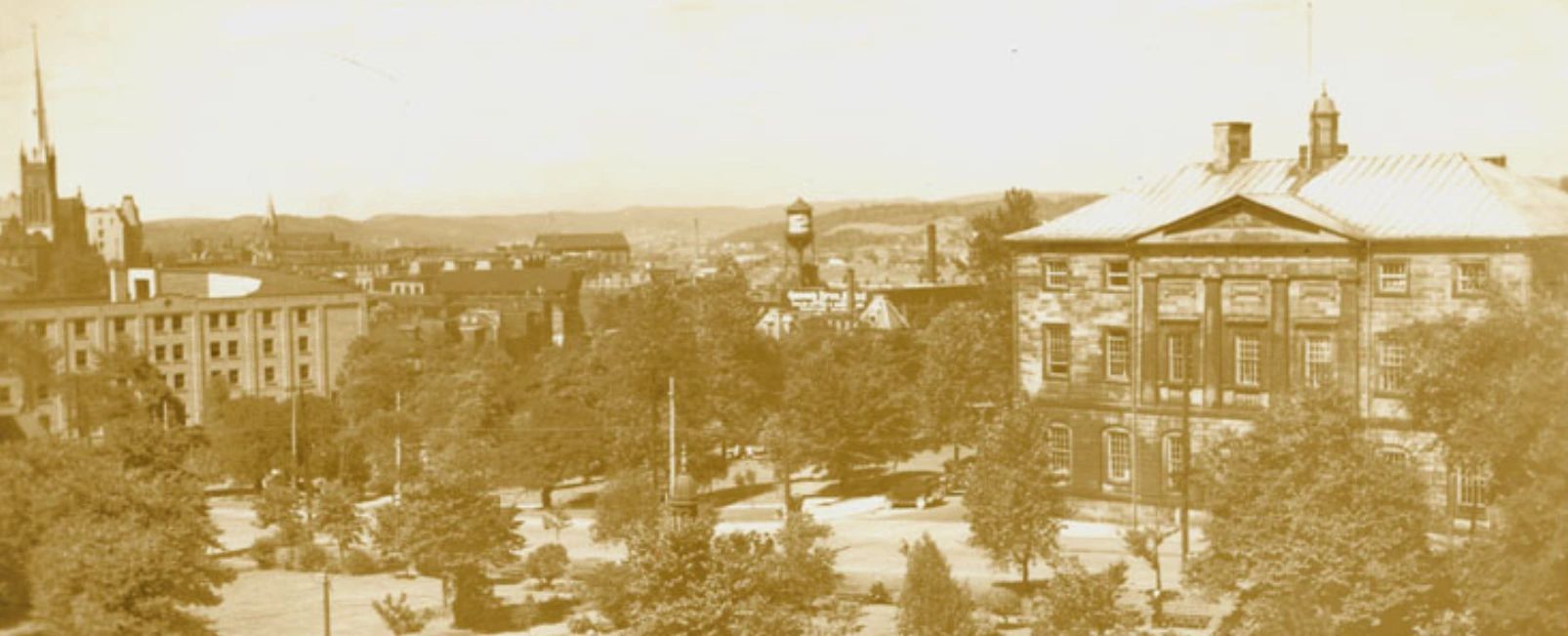
The problem the prosecution faced was that there was no direct evidence linking William McDonald to the crimes.
Furthermore, the mysterious woman who turned him in would not be taking the stand or otherwise giving evidence.
That meant it fell to Solicitor General Pugsley to build a case with enough circumstantial evidence linking McDonald to the poisonings.
Meanwhile, McDonald’s defence lawyer, Charles Weldon, had to poke holes in those arguments to raise enough doubts in the jury’s mind that they would find him not guilty.
Solicitor General Pugsley argued that the victims were all indeed connected to William McDonald, declaring in court: “Three of the ministers named, Messrs Macrae, Deinstadt and Shaw, preached at the asylum was an inmate there, and the fourth, Rev. de Soyres, officiated at the funeral of the late Mayor Barker, at which the prisoner was present.”
Then there was the issue of the poison. A bottle of strychnine was missing from Barker’s Department Store where McDonald worked.
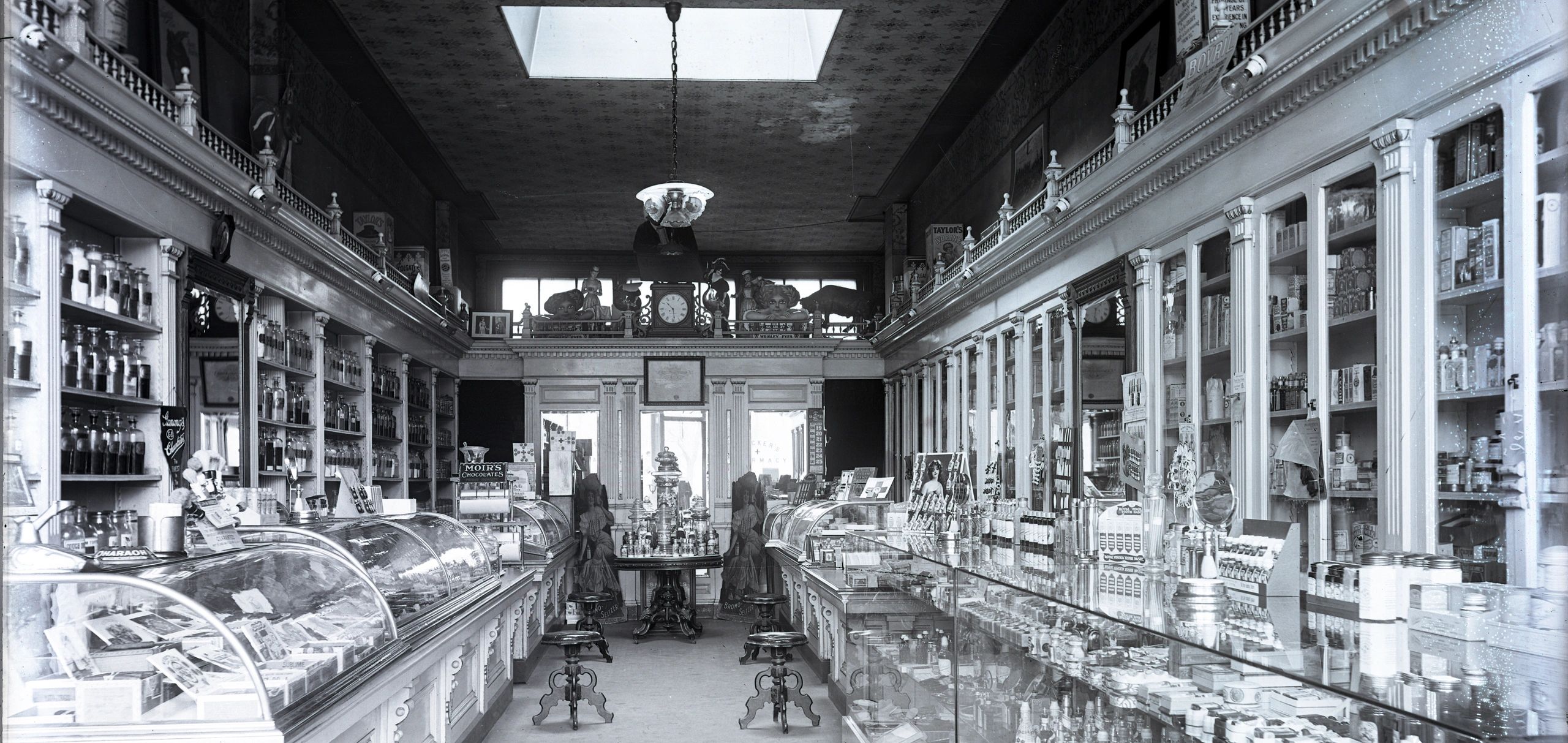
His issue was that employees were unanimous that William McDonald did not have access to the pharmacy. In fact, his co-workers were emphatic that he had never been inside the pharmacy, and didn’t even seem to have any interest in the pharmacy.
However, a clerk at Barker’s Department Store named William Heines testified that one week before the poisonings, William McDonald had needed to work late to compile some documents.
Heines had left his key so that McDonald could lock up the store when he was finished.
Solicitor General Pugsley argued that McDonald could have taken the strychnine during that time.
Defence lawyer Charles Weldon, however, tried to refute this by finding a witness from another department named Horatio Enslow who had also worked late that night and testified that William McDonald had not left his desk during that time.
Next, Solicitor General Pugsley called Dr. James T. Steeves, who had run the Saint John Lunatic Asylum since 1876, to the stand. He would testify about William McDonald’s stay in the institution one year earlier.
The elderly Dr. Steeves was highly respected in Saint John. He was considered to be at the forefront of a more kindly and humanitarian way of caring for people struggling with mental health. His methods of treating patients at his Lunatic Asylum were extremely controversial for the time. The best practices of mental health care of the day were to chain up patints and keep them drugged. Dr. Steeves, however, was attempting a new treatment he called “The Humane Method” which involved actually talking to patients about their problems and encouraging exercise rather than chaining them to their beds.
“William McDonald was a patient in the Asylum,” Dr. Steeves said at the trial. “He was admitted on October 29th, 1888. The patient suffered from monomania.” This would be described today as an obsession, or an exaggerated enthusiasm for or preoccupation with one thing.
“His symptoms were not very pronounced,” continued Dr. Steeves, “but they were sufficient to judge by. He was peculiar in his manner, reticent, stealthy, excitable, and sometimes depressed. He was different from most young men of his age. In some matters, he was very clear and in others he was insane.”
After some months in the Lunatic Asylum, William McDonald announced to Dr. Steeves that he was suddenly cured of thinking that he was the Prophet Elijah. The doctor, however, was suspicious of whether or not he was telling the truth. Once, when another inmate at the Lunatic Asylum also claimed to be a prophet, William McDonald punched him in the face.
As for William McDonald himself, he was never allowed to testify. He was present at the trial but didn’t participate at all.
According to the Daily Telegraph, “The prisoner appears to be enjoying excellent health. He watched yesterday’s proceedings very closely, and several times made shorthand notes of the evidence. He indulged in considerable conversation with his counsel. The witness seemed most interested in … [the] testimony [and] he took copious notes.”
Throughout the trial, it was simply accepted that there was no motive. It was referred to several times that it was a strange case as no one had any reason to poison the religious leaders.
Curiously, though, nobody asked. William McDonald was right there and seemed to be quite chatty, at least towards his lawyer. Yet nobody else spoke to him and he was never called to testify, nor was he once asked about any relationships with the victims.
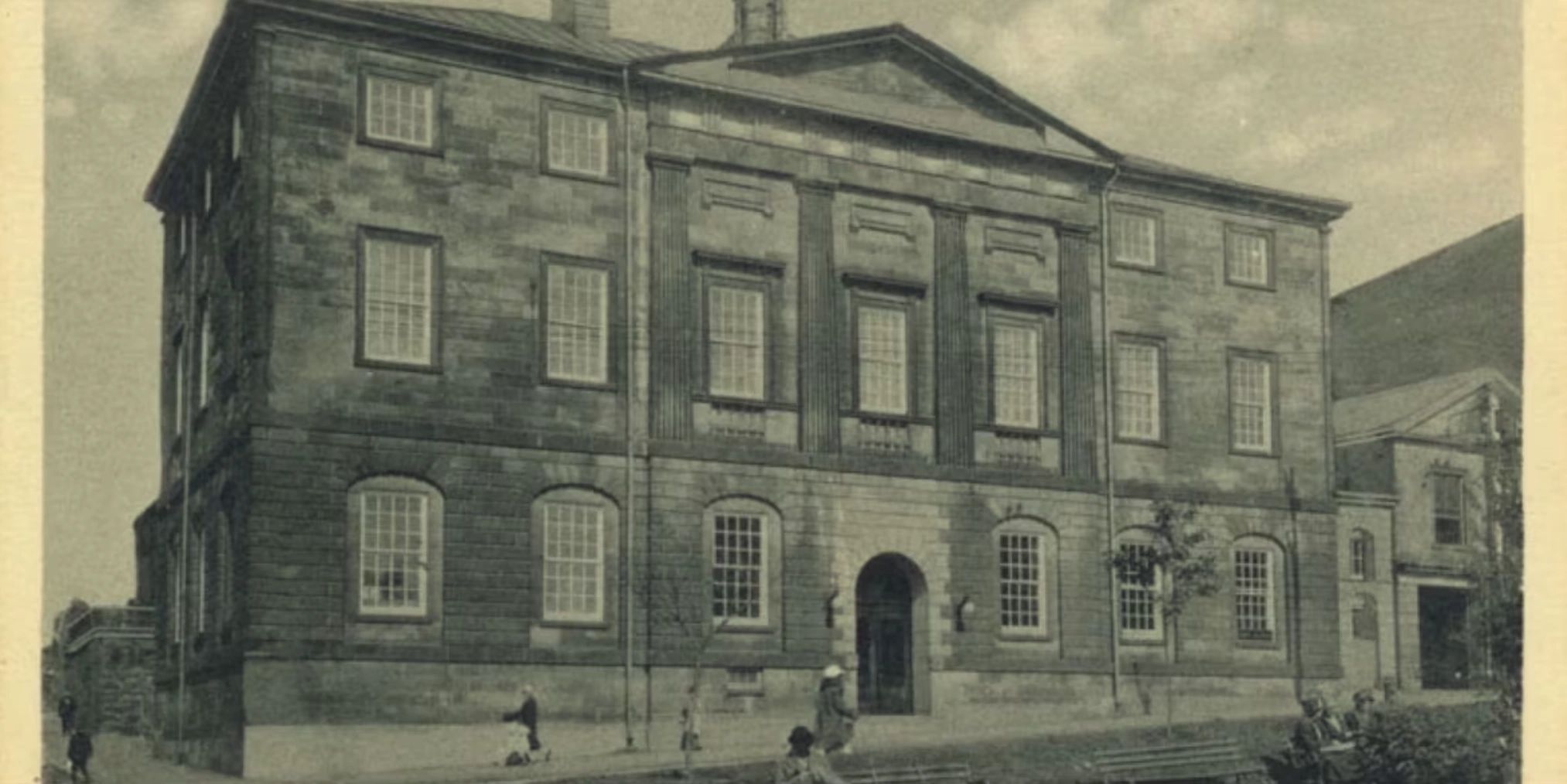
It was time for the jury to decide William McDonald’s fate.
The judge stood to explain the laws on insanity to the jury. After his explanation, the judge said:
“Another question for the jury’s consideration was: did it appear that the prisoner, if guilty, committed the crime when unable to distinguish between right and wrong? It has been proved that at one time the prisoner had been insane. I would leave the question to be decided by the jury, if they found the prisoner guilty, whether they would also find that he knew what he was doing when he committed the crime. The absence of a motive might warrant the jury in coming to a conclusion that, at the time he committed this crime, if they found that he did commit it, the prisoner’s mind was so worked and astray in regard to moral distinctions that he did not know what he was doing, or that he had really committed a crime.”
Newspapers wrote that “the jury retired to their rooms [and] all the testimony, papers, etc. in the case were sent to them.”
Everyone waited. Newspapers noted: “his honour remained in court until 5 o’clock for the jury but at that hour announced that he would return at 8 o’clock if not sent for before.”
At 9:25 pm the courthouse doors opened. The jury had come to a verdict.
Duly the room filled up with reporters and curious onlookers.
The jury was already seated.
William McDonald was led in by police officers. A newspaper noted that “he skipped in with a jaunty step.”
The judge stood up and asked the jury if they’d agreed on a verdict.
The foreman replied, “We have,” and handed over a piece of folded paper.
The assembled audience rose to their feet expectantly.
The judge, however, didn’t read the verdict aloud.
Instead, he silently read it to himself.
The judge turned to the jury and asked them out loud, in front of everyone, in an incredulous tone: “Do you really feel the defendant was guilty?”
The punishment for being found guilty of murder was death.
The Daily Telegraph wrote, “The prisoner himself at this point cast an anxious, surprised look at the judge, and showed considerable nervousness by shifting his position in the docket two or three times, fingering his shirt collar and cuffs, and otherwise displaying surprise at this proceeding on the part of the jury.”
The judge addressed the jury: “Gentlemen, do I understand you to say that you are of the opinion that the prisoner is guilty, but that he was insane at the time he committed the crime with which he stands charged?”
The jury foreman said yes.
“Then your verdict should be that you acquit the prisoner of the charge whereof he stands indicted on account of insanity, for in the eyes of the law an insane person cannot commit a felony,” the judge continued.
In an astonishing move, the judge sent the jury back to their chambers to change their verdict.
The jury returned half an hour later. This time, though they again declared William McDonald guilty, they specified that he was also acquitted because he was insane at the time of the crime.
Solicitor General Pugsley then rose. He ordered that William McDonald be remanded into custody at the Saint John Lunatic Asylum.
As the prisoner was led away, he was heard quietly saying:
“But I have not been allowed to say anything…”
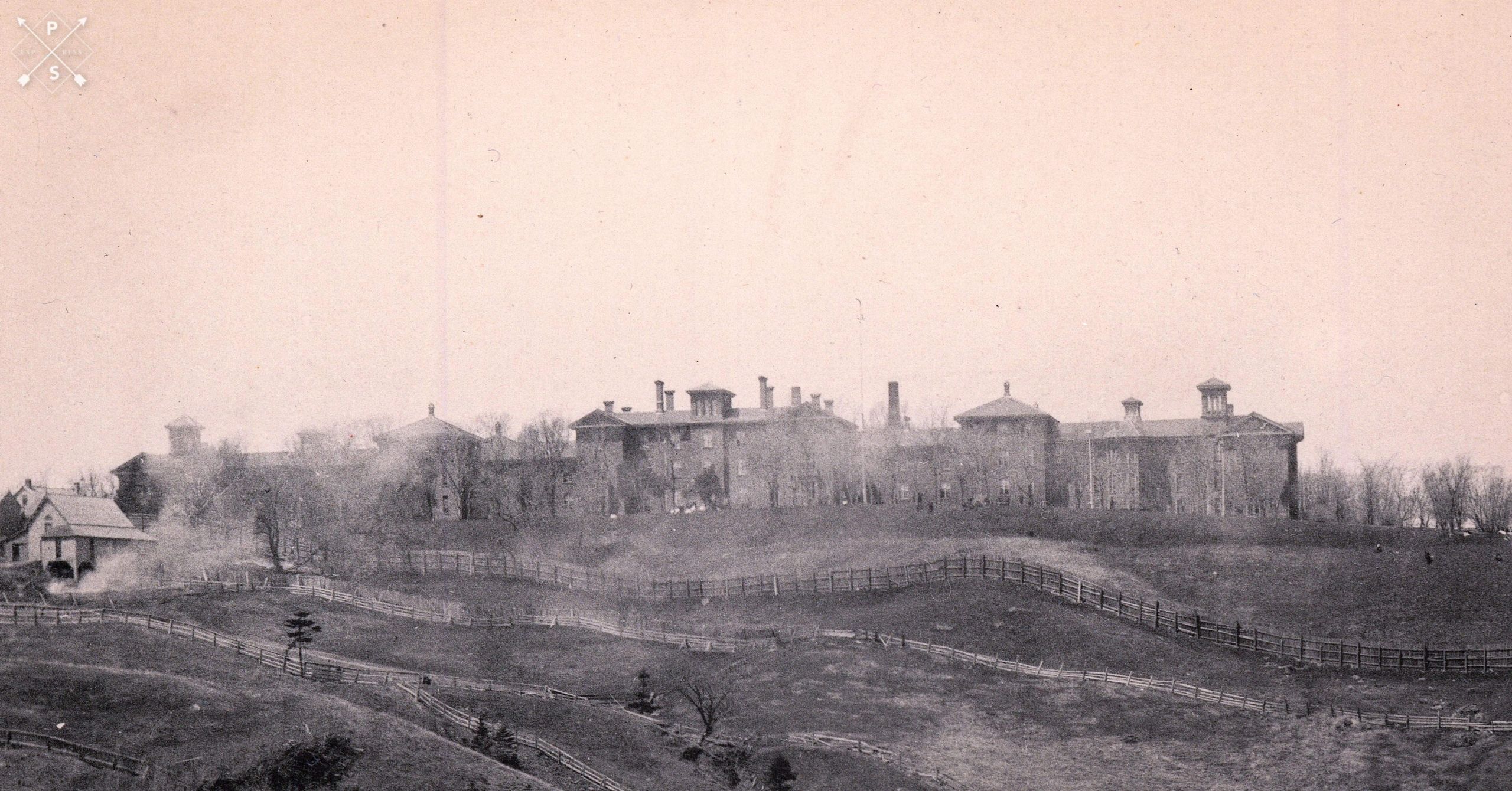
William McDonald was taken to the Saint John Lunatic Asylum, a large dark and ominous grey building on the far side of the city. He would spend the next 36 years there until his death in 1926.
He was seemingly forgotten by everyone.
Everyone, that is, except his sister.
Fanny Barker would make the trip to the Asylum several days a week to visit her brother for decades. She wrote prolifically to the Asylum’s Superintendent, detailing how her brother was faring in the asylum.
These remarkable letters reveal several unexpected facts.
According to his sister, William McDonald was happy in the Lunatic Asylum.
As a convicted murderer, William McDonald was supposed to have been locked up in the brutally harsh and infamously cruel Ward Five for the criminally insane.
He was, however, never actually placed in Ward Five. Instead, Solicitor General Pugsley had specifically ordered that he be placed among the asylum’s general population.
While hardly a luxury hotel, it was vastly better than the terrifying Ward Five for the criminally insane. Interestingly enough, it seems that William McDonald was allowed special privileges, and some small luxuries in the Asylum as well.
At one point, 10 years after the poisoning, a new Commissioner was placed in charge of the Asylum. He planned to William McDonald to Ward Five.
His sister wrote angry letters furiously demanding that he be returned to the general population. In these emotional letters, she let slip that moving her brother to Ward Five violated some sort of a deal.
The mysterious woman informant who tipped off Solicitor General Pugsley was never officially identified. Yet in a city where virtually nobody seemed to know anything about William McDonald, his sister Fanny Barker would have been uniquely poised to have insider knowledge about him.
Fanny Barker believed that her brother had killed before. His victim was none other than her husband George A. Barker, freshly elected Mayor of Saint John.
Their whole family was dead, and her brother was her last living relative. She dutifully visited him at the Lunatic Asylum several times a week for the rest of her life.
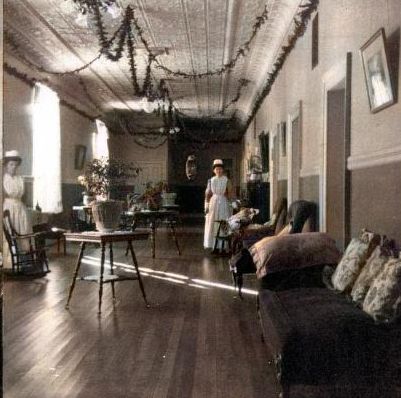
The implication is that Fanny Barker cut a deal with Solicitor General Pugsley which would stop her brother from killing again. The angle may have been to lock him up but not condemn him to execution as a convicted murderer. The deal also avoided condemning him to a fate worse than death – ending up in the Saint John Lunatic Asylum’s dreaded Ward Five for the Criminally Insane for the rest of his life.
Her letters to the Asylum Superintendent were usually short and professional, focussed on her brother’s health and comfort. Uncharacteristically though, on the ten-year anniversary of the murders, one of Fannie Barker’s letters seems to dreamily drift off, as if she’s thinking aloud:
“It was said he went out of his mind….”
“He was a brother-in-law of [my late husband] George Barker, the mayor of St. John at that time.”
“If you remember [George] died very suddenly and it was said that [William] was not wholly guiltless in the matter — …but my brother was a friend of ours. If there is anything you can do to help him, you would. If you can help him I would take it as a personal favour.
Believe me.
Sincerely yours,
Fannie Barker”